Planning Your Japanese Onsen Trip During Lunar New Year: Crowds and Booking Advice
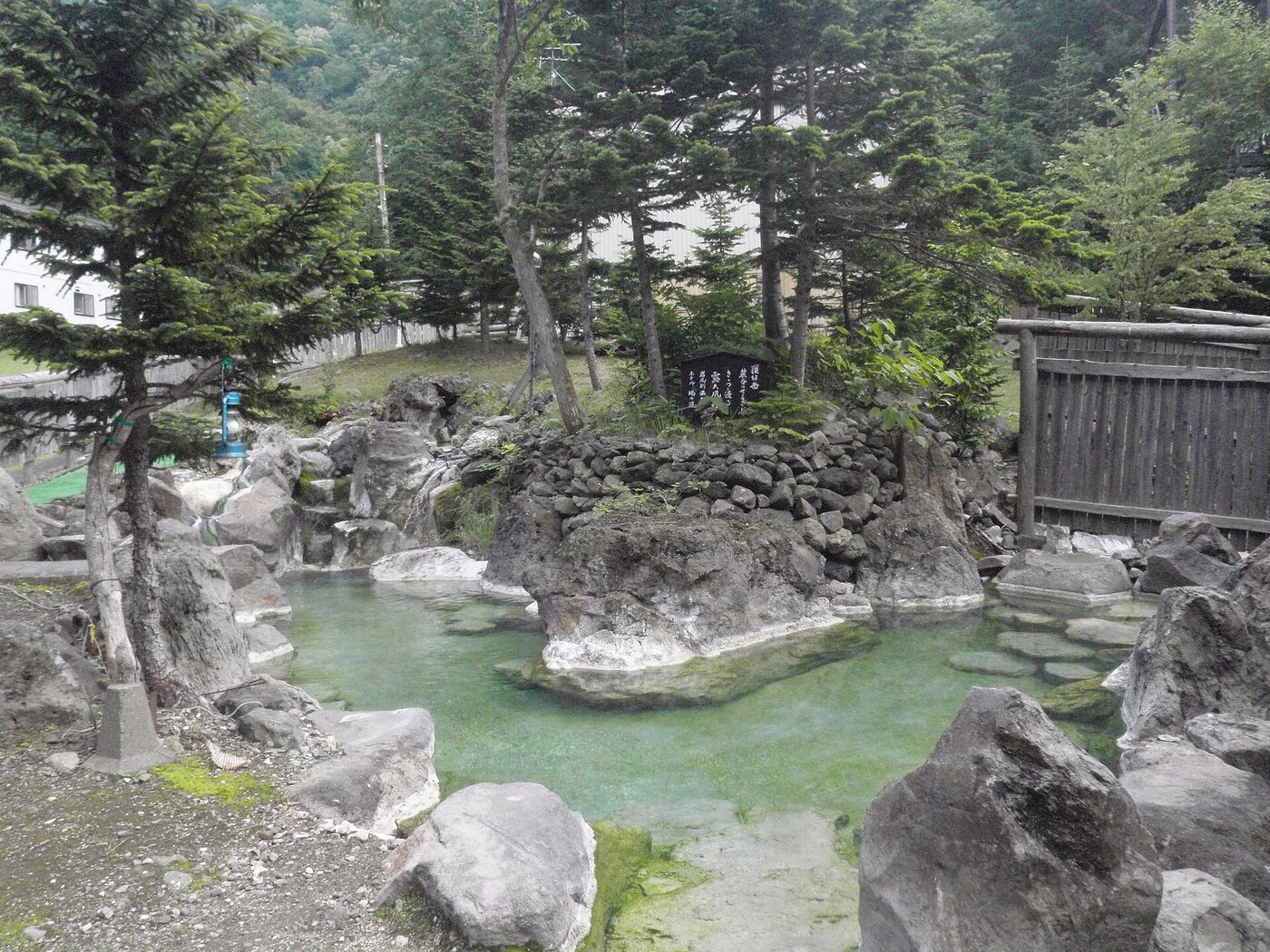
Planning an onsen trip to Japan during Lunar New Year might seem like a good idea for a unique cultural experience, but it's important to understand that Japan does not observe Lunar New Year as a national public holiday. This means that most businesses and transportation services will operate as usual, and popular tourist spots are generally less crowded compared to Japan's own New Year celebrations or the Golden Week holidays. However, areas with significant Chinese and Korean communities, like Yokohama's Chinatown, might see an increase in visitors due to local festivities.
Is Lunar New Year a Big Holiday in Japan?
Japan officially celebrates its New Year on January 1st, following the Gregorian calendar. This period, known as Shogatsu, is a major national holiday with widespread closures and significant travel by Japanese citizens. In contrast, Lunar New Year, which falls on a different date each year (typically in late January or February), is not a public holiday in Japan. This distinction is crucial for inbound tourists planning their travel.
Because Lunar New Year is not a national holiday, you won't find the widespread closures and travel disruptions that occur during Japan's Shogatsu. Public offices, most businesses, and transportation networks generally continue their regular operations. This means that if you choose to visit Japan during the Lunar New Year period, you are likely to encounter fewer crowds at major attractions and on public transport compared to visiting during Japan's own New Year period or other major Japanese holidays like Golden Week. For instance, while Japan's New Year sees millions of people traveling domestically, Lunar New Year does not trigger such a surge. [19]
Where Might I Find Lunar New Year Celebrations in Japan?
While not a national holiday, Lunar New Year is celebrated with enthusiasm in specific areas of Japan that have historically strong Chinese and Korean communities. The most prominent of these are the Chinatowns in major cities. Yokohama, Kobe, and Nagasaki are well-known for their vibrant Chinatowns, and it is in these districts that you are most likely to find Lunar New Year festivities. These celebrations can include traditional performances, special food offerings, and decorative displays, creating a festive atmosphere.
If you are interested in experiencing some Lunar New Year atmosphere, these Chinatowns are the places to go. However, it is important to note that due to these local celebrations, these specific areas might experience increased visitor numbers during the Lunar New Year period. While the rest of Japan remains relatively unaffected by national closures, these cultural hubs can become more bustling. For example, Yokohama Chinatown often hosts elaborate celebrations that draw both local residents and tourists interested in the festivities. [3]
How Does Lunar New Year Affect Onsen Travel?
The lack of Lunar New Year as a national public holiday in Japan has a direct impact on onsen travel. Unlike during Japan's own New Year (Shogatsu), when many onsen resorts, especially those popular with domestic travelers, are fully booked months in advance and operate with limited staff, the Lunar New Year period generally offers a more relaxed travel experience.
This means that popular onsen destinations across Japan, such as Hakone, Beppu, or Kinosaki Onsen, are unlikely to be as overwhelmingly crowded as they are during Japan's New Year or Golden Week. You are more likely to find availability at ryokans (traditional inns) and hotels, and the onsen facilities themselves will probably be less packed. This can lead to a more peaceful and authentic onsen experience, allowing you to fully enjoy the therapeutic hot springs and the surrounding natural beauty. For example, while booking for Japan's New Year might require planning six months to a year in advance for popular spots, Lunar New Year bookings might be manageable with just a few weeks' notice. [19]
Should I Book My Onsen Trip in Advance for Lunar New Year?
Even though Lunar New Year is not a major national holiday in Japan, it is still advisable to book your onsen accommodation in advance, especially if you have specific preferences or are traveling to a popular onsen town. While crowds will generally be lighter than during peak Japanese holidays, some onsen resorts, particularly those that cater to international tourists or are located in scenic areas, can still attract a good number of visitors.
Booking in advance ensures that you secure your preferred accommodation, whether it's a traditional ryokan with private onsen baths or a modern hotel with spa facilities. It also gives you peace of mind, knowing that your travel arrangements are settled. For popular onsen towns, or if you are traveling during a weekend that coincides with Lunar New Year, booking a few weeks to a couple of months ahead is a good practice. For instance, if Lunar New Year falls on a Friday, Saturday, or Sunday, those specific weekend dates might see slightly higher demand, making early booking beneficial.
Browse onsen ryokan stays across Japan on Expedia →
What Are the Benefits of Traveling to Japan During Lunar New Year?
Traveling to Japan during Lunar New Year offers several distinct advantages for onsen enthusiasts. The primary benefit is the reduced crowd size at most tourist destinations and on transportation networks. This means less waiting time at attractions, more space to enjoy the onsen facilities, and a generally more relaxed travel experience.
Furthermore, because it's not a major national holiday, you are less likely to encounter significant price hikes for flights and accommodation compared to peak Japanese holiday seasons. This can make it a more budget-friendly time to visit Japan. You can also enjoy the unique experience of seeing Lunar New Year festivities in areas like Yokohama's Chinatown, adding another layer to your cultural exploration. For example, while prices for accommodation during Japan's New Year can double or triple, during Lunar New Year, you might find rates closer to off-peak season pricing. [19]
Are There Any Downsides to Consider?
While traveling to Japan during Lunar New Year generally presents fewer crowds and more availability, there are a few minor points to consider. As mentioned, areas with significant Chinese and Korean populations, such as the Chinatowns of Yokohama, Kobe, and Nagasaki, may experience increased local visitor numbers due to their specific celebrations. If your primary goal is to avoid all crowds, you might want to plan your onsen visits away from these specific districts during the Lunar New Year period.
Additionally, while most businesses operate as usual, it's always a good idea to double-check the operating hours of smaller, independent shops or restaurants, especially if they are located in more residential areas, as some might take extended breaks. However, for the vast majority of tourist-focused establishments, including onsen resorts and major transportation services, normal operations are the norm.
How to Find the Best Onsen Deals During Lunar New Year
To find the best deals on onsen trips during Lunar New Year, start by comparing prices across different booking platforms. Look for packages that might include accommodation, onsen access, and meals. Since it's not a peak travel period for domestic Japanese tourism, you might find more competitive rates.
Consider traveling mid-week rather than on a weekend, as this often leads to lower accommodation prices. Exploring less famous but equally beautiful onsen towns can also yield better deals and a more tranquil experience. For example, while Hakone might be consistently popular, exploring onsen towns in regions like Tohoku or Kyushu could offer more affordable options and fewer crowds. Booking directly with ryokans or hotels can sometimes offer better rates or special packages not available through third-party sites.
Find onsen experiences across Japan on Klook →
Final Tips for a Smooth Onsen Trip
When planning your onsen trip during Lunar New Year, remember that Japan's official New Year (Shogatsu) is on January 1st. This means that while Lunar New Year itself won't bring national holiday crowds, the period immediately after Japan's New Year and before the end of January might still see some residual domestic travel or post-holiday relaxation.
Always check the specific operating hours for any attractions or restaurants you plan to visit, just to be safe. Familiarize yourself with onsen etiquette before you go to ensure a respectful and enjoyable experience. Having a Japan Rail Pass can be cost-effective if you plan on extensive travel between cities. Finally, embrace the opportunity to experience Japan during a less crowded, yet culturally interesting, time of year.
Popular onsen towns to stay in
One stay in each of three classic onsen towns, listed on Rakuten Travel, Japan's largest domestic booking site.
- 箱根湯本温泉 伊東園ホテル 箱根湯本 Hakone · ★ 4.0 (648 reviews) · from ¥9,548
- 草津温泉 5種貸切風呂の宿 湯宿 きんだい Kusatsu · ★ 4.4 (542 reviews) · from ¥13,000
- 城崎温泉 しののめ荘 Kinosaki · ★ 3.9 (128 reviews) · from ¥12,900
Links open Rakuten Travel, which is in Japanese — your browser's built-in translation handles the booking pages well. We may earn a commission at no extra cost to you.
Sources
[19] travel.usnews.com — https://travel.usnews.com/japan/travel-tips/when-to-visit-japan-105400/ [3] byfood.com — https://www.byfood.com/blog/lunar-new-year-japan-travel-p-553
Ready to plan your visit?
Prices and slots for popular baths change with the season — check today's availability before you build your itinerary.
Check availability on Klook