Onsen Etiquette: A First-Timer's Guide to Japanese Hot Springs
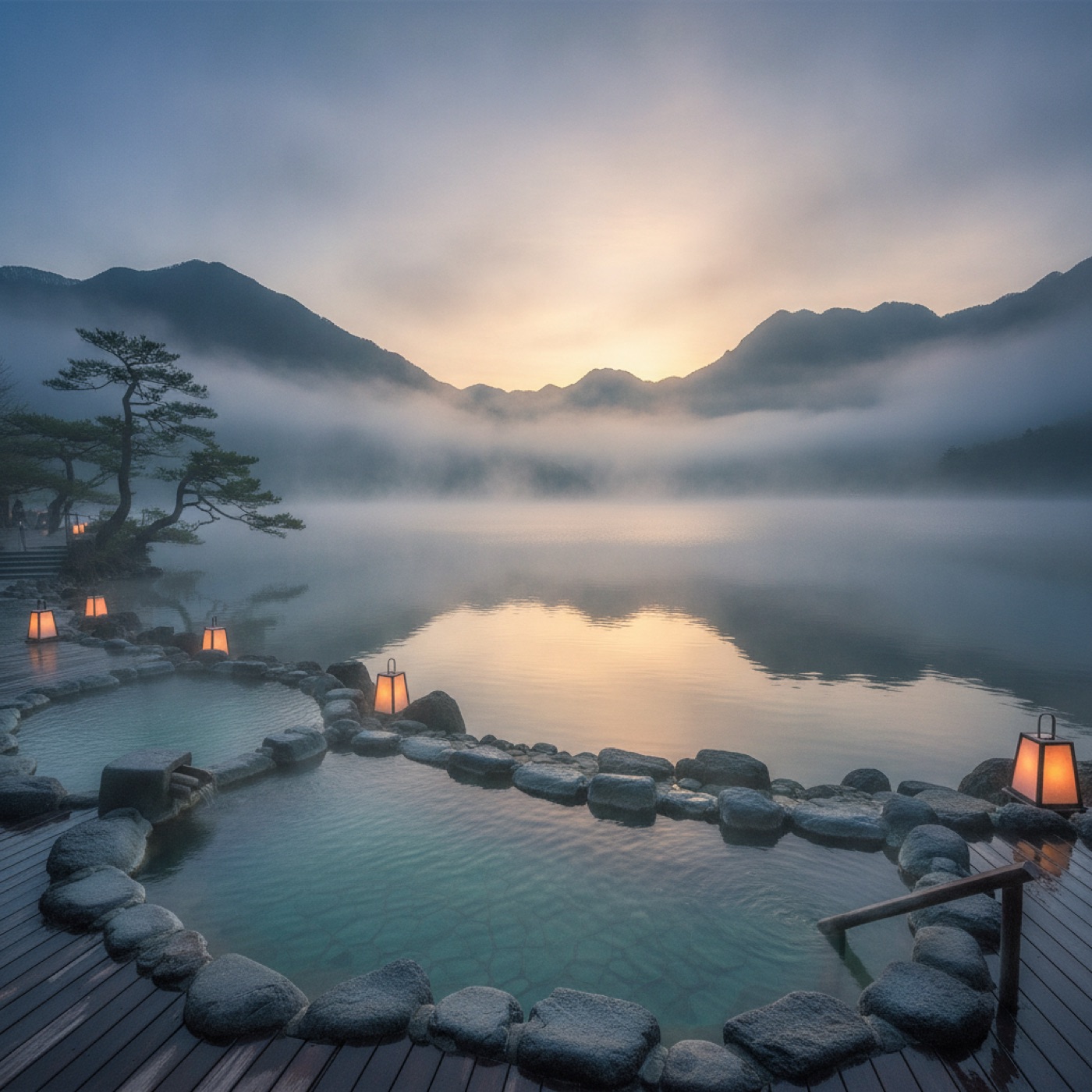
Onsen Etiquette: A First-Timer's Guide to Japanese Hot Springs
Stepping into a Japanese onsen for the first time is a quintessential travel experience, offering a unique blend of relaxation and cultural immersion. While the prospect of navigating new etiquette rules might seem daunting, this guide is designed to demystify the process, ensuring your first onsen visit is as serene and enjoyable as possible. We'll walk you through each step, from what to do before you even arrive to how to best savor your soak.
Your Essential Onsen Etiquette Checklist for a Stress-Free Soak
What Exactly is an Onsen, Anyway?
Before you dip your toes in, it's helpful to understand what makes a hot spring an "onsen." Under Japan's Hot Springs Act, an onsen is legally defined as hot water, mineral water, water vapor or other gas gushing from the ground that is either 25°C (77°F) or higher, or contains at least one of 19 designated substances [1]. This natural origin is what distinguishes an onsen from a "sento," which is a public bathhouse that, unlike an onsen, generally does not use natural spring water — it uses heated tap water [4].
Before You Even Get to the Bathhouse: What to Know
Shoes Off! As with many places in Japan, cleanliness is paramount. Shoes or slippers must be removed before entering the changing room [7]. You'll typically find a shoe rack or cubbies where you can safely store your footwear.
Tattoos and Onsen: A Changing Landscape Historically, tattoos have been a barrier to onsen entry in Japan, largely due to their association with organized crime. However, attitudes are slowly shifting. A 2015 Japan Tourism Agency survey found that while 56% of facilities refused guests with tattoos, 31% allowed them, and 13% admitted guests who covered their tattoos [13]. The Japan National Tourism Organization (JNTO) advises tattooed visitors to check facility rules in advance. They also note that "tattoo seals" (skin-colored adhesive strips) can conceal small-to-medium tattoos, while renting a private "kashikiri" bath is an alternative that requires reservation and an additional cost [14].
Find onsen experiences across Japan on Klook →
The Changing Room: Your First Step to Relaxation
Nudity is the Norm: This is perhaps the most significant aspect for first-time visitors. Onsen bathing is typically enjoyed in the nude, so clothing, including swimwear, should be left in the changing area [1]. Embrace the freedom and let go of any self-consciousness; everyone is there to relax.
What About My Belongings? You'll find lockers or baskets in the changing room to store your clothes and personal items. Make sure to secure your valuables before heading to the bathing area.
The Washing Area: The Crucial Pre-Soak Ritual
Wash, Wash, Wash! This is a non-negotiable step. Before entering the communal bath, bathers must thoroughly wash themselves at one of the washing stations provided in the bathing area and rinse off completely [2]. These stations are usually equipped with a shower, stool, and toiletries. Sit on the stool and use the handheld showerhead to wash away any dirt or sweat.
The "Kakeyu" Warm-Up: Before entering the main bath, it's customary to perform a "kakeyu." This involves pouring hot water over your body using a small bucket or ladle [5]. This practice helps your body adjust gradually to the temperature of the onsen water, preventing shock.
Hair Management: To maintain the cleanliness of the onsen water, long hair must be tied up or wrapped in a towel so it does not touch the water [3]. Many onsen provide small towels for this purpose, or you can use your own.
Entering the Bath: The Art of the Soak
Temperature Check: Onsen bath water is typically very hot — often around 40–42°C (104–108°F) [8]. Enter the bath slowly and carefully, without jumping or splashing. Take a moment to gauge the temperature before fully immersing yourself.
The Towel's Role: The small towel you received (or brought) is for drying off after your soak. It must never go into the bath water [2]. A common practice is to fold it neatly and place it on your head or on the side of the bath while you soak.
Quietude is Key: Onsen are places of peace and quiet [6]. Speak softly in the changing and bathing areas, and refrain from swimming or splashing. The focus is on relaxation and mindfulness.
No Devices Allowed! To respect everyone's privacy, especially that of minors, phones and cameras are absolutely forbidden in onsen bathing areas [6]. Be present in the moment and leave your devices securely stored away.
Find onsen experiences across Japan on Klook →
During Your Soak: Maximizing Your Experience
How Long Should I Stay? JNTO's onsen tattoo guide advises limiting bathing sessions to approximately 30 minutes [10]. Listen to your body; if you feel too hot while soaking, step out and take a break.
Hydration is Important: If you feel too hot while soaking, step out and drink cool water [10]. Staying hydrated is crucial, especially in hot water. Many onsen facilities provide water dispensers or vending machines.
Alcohol and Onsen Don't Mix: Avoid drinking alcohol before taking an onsen bath, as it can affect your judgment and increase the risk of dehydration or other health issues [7].
After Your Soak: The Final Steps
The Post-Soak Rinse (or not!): After soaking, it is recommended not to rinse your body with tap water [11]. This allows the mineral benefits of the onsen water to remain on your skin.
Drying Off: Gently pat yourself dry with the small towel before re-entering the changing room [11]. This helps prevent water from dripping onto the changing room floor.
Tipping is Not Customary: Tipping is not customary in Japan [12]. JNTO states it is not common to tip for services in most establishments, so you can relax without worrying about this aspect of etiquette.
Beyond the Rules: Embracing the Onsen Culture
The Japanese government and local tourism bodies have made efforts to make onsen experiences more accessible and understandable for international visitors. The Tokyo Sento Association, for example, ran a "WELCOME! SENTO" campaign for foreign visitors, offering discount coupons and multilingual support at participating bathhouses [16]. Cities like Kanazawa have also launched social media etiquette campaigns targeting foreign visitors in multiple languages to promote respectful behavior [17]. These initiatives highlight a growing awareness and desire to share Japan's rich bathing culture with the world.
Where to Experience Onsen
For an authentic and often luxurious experience, consider staying at a traditional Japanese inn, or ryokan, many of which feature their own onsen facilities. Some ryokan offer rooms with private baths, allowing you to enjoy the onsen at your own pace and privacy.
Browse onsen ryokan stays across Japan on Expedia →
Alternatively, if you're short on time or prefer a day trip, many onsen resorts offer day-use options, allowing you to enjoy their facilities without an overnight stay.
Find onsen experiences across Japan on Klook →
Comparison Table: Onsen vs. Sento
| Feature | Onsen | Sento |
|---|---|---|
| Water Source | Natural hot spring water, mineral water, or steam gushing from the ground that is either 25°C or higher, or contains at least one of 19 designated substances [1]. | Heated tap water [4]. |
| Temperature | Often around 40–42°C (104–108°F) [8]. | Varies, but generally heated to a comfortable bathing temperature. |
| Primary Purpose | Relaxation, traditional healing benefits attributed to mineral content, and cultural experience. | General public bathing and hygiene. |
| Amenities | Varies widely; often includes towels, shampoo, conditioner, and body soap. Some may offer yukata (robes) and other comforts. | Many sento do not provide amenities, so visitors should bring their own towel and soap [5]. |
| Cost (General) | Varies widely, often higher than sento, especially for resort-style facilities. | The standard adult admission fee at Tokyo sento is 550 yen [6]. |
Sources
- https://www.spa.or.jp/en/onsen/
- https://www.japan.travel/en/guide/bathing-manners-and-tips-onsen-bathing-guide/
- https://www.japan.travel/en/guide/bathing-manners-and-tips-onsen-bathing-guide/
- https://www.gotokyo.org/en/story/guide/japanese-bathing-culture-uncovered-a-guide-to-sento/index.html
- https://www.japan.travel/en/guide/bathing-manners-and-tips-onsen-bathing-guide/
- https://www.japan.travel/en/guide/bathing-manners-and-tips-onsen-bathing-guide/
- https://www.japan.travel/en/guide/bathing-manners-and-tips-onsen-bathing-guide/
- https://enjoyonsen.city.beppu-jp.com/onsen/howtotakeonsen/
- https://www.japan.travel/en/guide/bathing-manners-and-tips-onsen-bathing-guide/
- https://www.japan.travel/en/uk/inspiration/onsen-hot-springs-on-tattoos-and-etiquette/
- https://www.japan-guide.com/e/e2292_how.html
- https://www.japan.travel/en/plan/tipping-in-japan/
- https://www.stripes.com/news/japan-tourism-agency-asking-onsen-owners-to-relax-tattoo-policies-1.401147
- https://www.japan.travel/en/uk/inspiration/onsen-hot-springs-on-tattoos-and-etiquette/
- https://www.nippon.com/en/japan-data/h02673/
- https://welcome-sento.com/
- https://unseen-japan.com/japan-tourism-manners-social-media/
Ready to plan your visit?
Prices and slots for popular baths change with the season — check today's availability before you build your itinerary.
Check availability on Klook