Scenic Onsen Day Trips from Tokyo: Hot Springs with a View, by Train
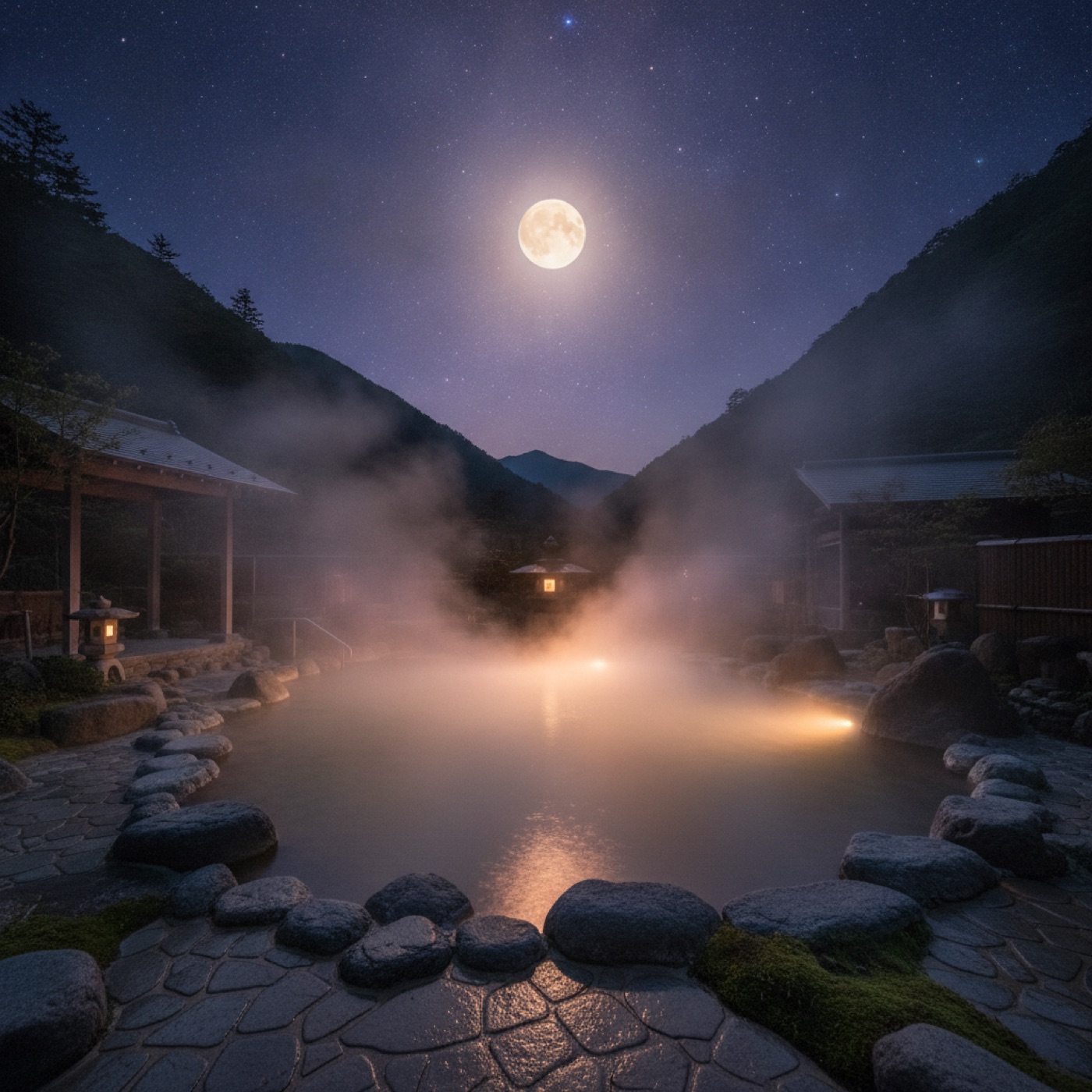
Dreaming of a relaxing onsen escape with breathtaking mountain views, just a train ride from Tokyo? Discover our top picks for scenic day trips, balancing travel time, cost, and unforgettable vistas. Whether you crave the iconic silhouette of Mt. Fuji or the dramatic landscapes of Hakone, your perfect hot spring retreat awaits.
Your Perfect Onsen Day Trip from Tokyo: What to Consider?
Planning a day trip from Tokyo to an onsen with stunning mountain views is a fantastic way to experience Japan's natural beauty and therapeutic hot springs. The key is to find a balance between travel time and relaxation, ensuring you have ample time to soak and enjoy the scenery without feeling rushed.
How Far is Too Far for a Day Trip?
When considering a day trip, travel time is a crucial factor. You want to minimize the hours spent on the train so you can maximize your time soaking in the onsen and admiring the views. Fortunately, many of Japan's most scenic onsen destinations are surprisingly accessible from Tokyo by train, making them perfect for a single-day excursion. All the destinations featured in this guide are reachable within a few hours, allowing for a fulfilling day of relaxation and exploration.
What's Your Budget for Onsen Bliss?
The cost of an onsen day trip can vary significantly depending on your chosen destination, transportation method, and the specific onsen facility. Train fares are a primary expense, especially for longer journeys or when opting for limited express services. Onsen entrance fees also differ, with some offering more basic facilities at lower prices, while others provide luxurious experiences with higher fees. Utilizing rail passes can offer substantial savings if you plan to travel extensively within a specific region or across multiple JR lines.
| Destination | Travel Time (from Tokyo) | Estimated Round-Trip Train Fare | Onsen Entrance Fee (per adult) | Overall Estimated Cost (per adult) |
|---|---|---|---|---|
| Hakone | ~80 min | ¥4,840 - ¥4,940 | ¥1,700 - ¥2,200 | ¥6,540 - ¥7,140 |
| Kawaguchiko | ~1 h 55 min | ¥8,260 - ¥8,400 | ¥1,400 - ¥1,700 | ¥9,660 - ¥10,100 |
| Atami | ~45 min | ¥7,480 | ¥3,080 - ¥3,410 | ¥10,560 - ¥10,890 |
| Chichibu | ~80–85 min | ~¥3,000 | ¥1,100 - ¥1,380 | ¥4,100 - ¥4,380 |
| Okutama / Ome | ~1.5–2 h | ¥2,200 | ¥1,200 | ¥3,400 |
| Nikko | ~1 h 50 min | ~¥5,400 - ¥6,000 | ¥1,000 | ¥6,400 - ¥7,000 |
| Kusatsu | ~3 h | ~¥11,800 (train + bus) | ¥800 | ¥12,600 |
Note: Estimated costs are based on adult fares for round trips and standard weekday onsen entrance fees. Prices are approximate and subject to change. JR TOKYO Wide Pass and Hakone Freepass can offer significant savings for eligible travel.
What Kind of Mountain View Are You After?
The type of mountain view you desire will greatly influence your choice of destination. Some locations offer the iconic, snow-capped peak of Mt. Fuji, while others provide sweeping vistas of volcanic landscapes, lush valleys, or rugged coastal mountains.
Mt Fuji is easiest to see in winter (roughly December–February), when cold dry air minimizes haze; visibility is best in the morning, while summer months have the fewest clear-view days [1]. For other destinations, consider the seasonal beauty: spring brings cherry blossoms, summer offers vibrant greenery, and autumn paints the mountainsides in fiery hues.
Top Scenic Onsen Day Trips from Tokyo
Here are our top picks for scenic onsen day trips from Tokyo, each offering a unique blend of relaxation and breathtaking natural beauty, all accessible by train.
Hakone: Classic Views and Volcanic Wonders
Hakone is a perennial favorite for day-trippers from Tokyo, renowned for its stunning natural beauty and diverse attractions. It offers a classic Japanese onsen experience with a backdrop of mountains and the serene Lake Ashi.
-
Access & Travel Time: The most convenient way to reach Hakone is by the Odakyu Limited Express Romancecar from Shinjuku Station, which takes approximately 80 minutes. A one-way ticket costs around ¥2,420 (digital) or ¥2,470 (paper), with all seats reserved [2]. This direct service makes the journey smooth and comfortable.
-
Onsen Experience: For a day-use onsen experience, Hakone Yuryo is a highly recommended option. It's easily accessible via a free shuttle bus from Hakone-Yumoto Station, taking just about 3 minutes. The entrance fee for adults is ¥1,700–¥1,800 on weekdays and ¥2,000–¥2,200 on weekends and holidays [3]. Hakone Yuryo offers a tranquil setting to unwind.
-
Scenic Highlights: Hakone's scenery is a major draw. The Hakone Ropeway offers a spectacular journey over the steaming volcanic Owakudani valley, providing glimpses of Lake Ashi and, on clear days, the majestic Mt. Fuji between Owakudani and Togendai [4]. The view of Lake Ashi with the iconic red torii gate of Hakone Shrine and Mt. Fuji in the background is a postcard-perfect scene.
-
Pass Options: To make the most of your Hakone exploration, consider the Hakone Freepass. Starting from ¥7,100 for a 2-day pass (prices from October 1, 2025), it covers the round trip between Shinjuku and Odawara on the Odakyu line, plus unlimited rides on eight local transport modes, including the Hakone Tozan Railway, cable car, ropeway, and Lake Ashi sightseeing cruise [5]. Note that an additional fee is required for the Romancecar. Get the Hakone Freepass on Klook →
Kawaguchiko & Mt. Fuji: The Iconic Silhouette
For those who dream of seeing the majestic Mt. Fuji up close, Kawaguchiko is an unparalleled destination. This area, one of the Fuji Five Lakes, offers some of the most iconic and breathtaking views of Japan's most famous peak.
-
Access & Travel Time: The Limited Express Fuji Excursion train provides a direct and convenient journey from Shinjuku Station to Kawaguchiko Station, taking approximately 1 hour and 55 minutes. A one-way ticket costs around ¥4,130–¥4,200 [6]. Booking seats in advance is highly recommended.
-
Onsen Experience: Fuji Chobo-no-Yu Yurari is a fantastic choice for an onsen experience with a view. Located in Narusawa, it's accessible by bus or a reservation-required free shuttle from Kawaguchiko Station. The entrance fee is ¥1,400 on weekdays and ¥1,700 on weekends and holidays [7]. The highlight here is the direct view of Mt. Fuji from its baths.
-
Scenic Highlights: Yurari's "Reiho" open-air bath and Panorama Bath are specifically designed to face Mt. Fuji, offering an unforgettable soaking experience. Beyond the onsen, the northern shore of Lake Kawaguchiko, particularly Oishi Park, provides the quintessential view of Mt. Fuji rising above the lake's surface [8]. This view is especially stunning during cherry blossom season in mid-April and autumn foliage in early November.
-
Pass Options: The JR TOKYO Wide Pass is an excellent option for this trip. For ¥16,000 for 3 days, it fully covers the Fuji Excursion train, including the Fujikyu Railway section to Kawaguchiko [9]. Check JR passes on Klook →
Atami: Coastal Charm and Ocean Vistas
Atami offers a different kind of scenic beauty, combining the relaxing warmth of onsen with stunning ocean panoramas. It's a popular seaside resort town with a rich history and easily accessible from Tokyo.
-
Access & Travel Time: Reaching Atami is remarkably quick thanks to the Tokaido Shinkansen. The Kodama service from Tokyo Station takes approximately 45 minutes, with fares around ¥3,740 one way [10]. This speed makes it an ideal option for a shorter day trip.
-
Onsen Experience: FUUA (Ocean Spa Fuua) at Atami Bay Resort Korakuen offers a luxurious day-use onsen experience with incredible ocean views. The entrance fee is ¥3,080 on weekdays and ¥3,410 on weekends and holidays [11]. It's a perfect place to indulge and relax while gazing out at the sea.
-
Scenic Highlights: The open-air baths at FUUA provide an unparalleled view of the Sagami-nada Sea, creating a sense of "where the sea meets the sky." In the town itself, the Oyu Geyser, once a notable geyser, is now preserved as a cultural property and erupts artificially for visitors, offering a unique sight [12].
-
Pass Options: The nationwide Japan Rail Pass covers the Kodama and Hikari Shinkansen services to Atami at no extra cost. However, the JR TOKYO Wide Pass does not cover the Tokaido Shinkansen line [13].
Chichibu: Nature's Embrace and Local Charm
For a more rustic and nature-focused onsen experience, Chichibu offers a refreshing escape into the mountains of western Saitama Prefecture. It's known for its beautiful gorges and traditional atmosphere.
-
Access & Travel Time: The Seibu Limited Express Laview train from Ikebukuro Station to Seibu-Chichibu Station takes about 80–85 minutes, with fares around ¥1,500 one way [14]. This comfortable and scenic train ride is part of the charm.
-
Onsen Experience: Seibu Chichibu Ekimae Onsen Matsuri no Yu is incredibly convenient, located directly in front of Seibu-Chichibu Station. The entrance fee is ¥1,100 on weekdays and ¥1,380 on weekends and holidays [15]. Its accessibility makes it easy to fit into a day trip itinerary.
-
Scenic Highlights: The main scenic attraction in Chichibu is Nagatoro Gorge on the Arakawa River. It's a nationally designated scenic spot famous for its unique "Iwadatami" rock formations and traditional wooden boat cruises [16]. The gorge is particularly beautiful during the autumn foliage season, peaking in mid to late November.
-
Pass Options: There isn't a specific pass dedicated solely to Chichibu that offers significant savings over individual tickets for a day trip. Standard fares apply for the Seibu Railway journey.
Okutama / Ome: West Tokyo's Mountain Retreat
If you're looking for an onsen experience that feels worlds away from the city but is still within Tokyo's borders, Okutama and Ome are excellent choices. This area offers serene natural beauty and accessible hot springs.
-
Access & Travel Time: You can reach Okutama Station from Shinjuku Station via the JR Chuo Line and Ome Line in about 1.5 to 2 hours, with a one-way fare of ¥1,100 [17]. On weekends and holidays, the direct "Holiday Rapid Okutama" train makes the journey in just over 90 minutes.
-
Onsen Experience: Okutama Onsen Moegi-no-yu is a short, approximately 10-minute walk from Okutama Station. The entrance fee is ¥1,200 for adults and ¥600 for elementary school children for a 3-hour stay [18]. Its proximity to the station and natural setting make it a relaxing stop.
-
Scenic Highlights: The area boasts the picturesque Hatonosu Gorge on the Tama River, featuring rugged crags and a suspension bridge. Nearby, mountain-ringed Lake Okutama offers beautiful scenery that changes with the seasons, from lush green in summer to vibrant autumn foliage [19].
-
Pass Options: Since Okutama is within the JR network of Tokyo, a standard IC card fare of ¥1,100 applies for the one-way trip. No special pass is typically needed for this journey [17].
Nikko: UNESCO Heritage and Natural Wonders
Nikko is a destination that beautifully blends cultural heritage with stunning natural landscapes, including waterfalls and pristine lakes, alongside its onsen offerings.
-
Access & Travel Time: The Tobu Limited Express (SPACIA or SPACIA X) offers a direct route from Asakusa Station to Tobu-Nikko Station, taking approximately 1 hour and 50 minutes. Fares are around ¥2,700–¥3,000 one way, depending on the specific train service [20].
-
Onsen Experience: Yashio-no-yu is a city-run onsen center located in the Kiyotaki area, offering a forested-hillside open-air bath. The entrance fee for non-residents is ¥1,000 for adults [21]. It provides a peaceful and affordable onsen experience.
-
Scenic Highlights: Nikko is most famous for its UNESCO World Heritage shrines and temples, including the lavishly decorated Toshogu Shrine. Beyond the cultural sites, the Oku-Nikko region offers breathtaking natural beauty, such as the 97-meter-high Kegon Falls, one of Japan's most famous waterfalls, fed by the serene Lake Chuzenji [22].
-
Pass Options: Tobu Railway offers various discounted NIKKO PASS products that can cover transportation within the Nikko area and sometimes include access to attractions or onsen facilities [23]. Find Hakone onsen tickets & tours on Klook →
Kusatsu: A Productive Hot Spring Town (A Longer Day Trip)
Kusatsu is one of Japan's most famous onsen towns, known for its high-quality hot spring water and the unique Yubatake (hot water field). While a longer journey, it's achievable as a day trip for those willing to start early.
-
Access & Travel Time: The journey involves taking the JR Limited Express Kusatsu-Shima from Ueno Station to Naganohara-Kusatsuguchi Station, which takes about 2 hours and 20 minutes (around ¥5,480 one way). From there, a JR Kanto bus takes you to the Kusatsu Onsen bus terminal in about 25 minutes (¥710) [24]. The total travel time is around 3 hours each way, requiring an early start.
-
Onsen Experience: Sainokawara Rotenburo is a large, popular open-air bath located in Sainokawara Park. The entrance fee is ¥800 for adults and ¥400 for children [25]. It offers a spacious and natural setting to enjoy the hot springs.
-
Scenic Highlights: The central attraction in Kusatsu is the Yubatake, a steaming hot-water field that yields about 5,000 liters of hot spring water per minute, making it one of Japan's most productive sources [1]. The sight and sound of the bubbling water, especially when illuminated at night, are truly unique. The park itself also features natural hot spring flows.
-
Pass Options: The JR TOKYO Wide Pass covers the limited express train from Ueno to Naganohara-Kusatsuguchi. However, the bus fare to Kusatsu Onsen town is not included in the rail pass [26].
Planning Your Onsen Day Trip: Tips and Tricks
To make the most of your onsen day trip, a little planning goes a long way.
When is the Best Time to Visit for Views?
As mentioned, Mt. Fuji is most visible in winter (December–February) due to clearer air [1]. For other destinations, consider the seasonal beauty: spring for cherry blossoms (e.g., Kawaguchiko), summer for lush greenery (Okutama), and autumn for vibrant foliage (Chichibu, Nikko).
Maximizing Your Day with Rail Passes
Rail passes can be a cost-effective way to travel. The JR TOKYO Wide Pass is excellent for journeys covering JR East lines and the Fujikyu Railway [9]. The Hakone Freepass is ideal for exploring the Hakone region comprehensively [5]. Always check the specific coverage of each pass to ensure it aligns with your chosen itinerary. Check JR passes on Klook → Get the Hakone Freepass on Klook →
Consider an Overnight Stay?
While day trips are fantastic, some destinations truly shine with an overnight stay. This allows for a more relaxed pace, the opportunity to enjoy an onsen dinner, and perhaps explore more of the surrounding area. If you find yourself captivated by the scenery and the tranquility, consider extending your trip. Browse Atami ryokan & hotel deals on Expedia → Find Hakone onsen tickets & tours on Klook →
Frequently Asked Questions
Can I really see Mt. Fuji from Tokyo?
While you can see Mt. Fuji from some very high vantage points in Tokyo on exceptionally clear days, it's a distant and often hazy view. For the iconic, close-up views, a day trip to areas like Kawaguchiko or Hakone is highly recommended.
What should I bring to an onsen?
Typically, you'll need a small towel for washing and a larger towel for drying. Most onsen provide shampoo, conditioner, and body soap. It's customary to wash thoroughly before entering the baths. Many onsen also offer towel rentals for a small fee.
Are these destinations suitable for solo travelers?
Yes, all these destinations are very suitable for solo travelers. Japan is generally a safe country, and onsen facilities are well-equipped to welcome individuals. Many people visit onsen towns alone to relax and enjoy the scenery.
Final Thoughts: Your Journey to Relaxation Begins
Embarking on a scenic onsen day trip from Tokyo is an accessible and rewarding experience. With a variety of destinations offering stunning mountain views and rejuvenating hot springs, all reachable by train, your perfect escape is closer than you think. Pack your sense of adventure, and get ready to soak in the beauty of Japan's natural landscapes.
Sources
[1] https://livejapan.com/en/in-tokyo/in-pref-fuji_mountain/in-mount_fuji/article-a0002532/ [2] https://odakyu-global.com/passes/romancecar/ [3] https://www.hakoneyuryo.jp/english/spa/hotspring/ [4] https://www.japan-guide.com/e/e5223.html [5] https://www.hakonenavi.jp/international/en/discount_passes/free_pass [6] https://www.insidekyoto.com/jr-fuji-excursion-train-guide-and-map [7] https://www.fuji-yurari.jp/charge.html [8] https://www.japan-guide.com/e/e6906.html [9] https://www.japan-guide.com/e/e2361_06.html [10] https://ekitan.com/en/article/atami-to-tokyo-shinkansen [11] https://www.atamibayresort.com/en/fuua/info/ [12] https://www.atamibayresort.com/en/fuua/ [13] https://www.jrailpass.com/blog/kodama-shinkansen [14] https://www.seiburailway.jp/en/railway/limitedexpress/ [15] https://www.seibu-leisure.co.jp/matsuri/serviceguide/index.html [16] https://www.japan-guide.com/e/e6556.html [17] https://tokyocheapo.com/locations/west-tokyo/okutama/ [18] https://www.okutamas.co.jp/moegi/price/info/ [19] https://www.gotokyo.org/en/spot/526/index.html [20] https://www.tobu.co.jp/en/access/nikko/ [21] https://www.city.nikko.lg.jp/soshiki/6/1025/5/1090.html [22] https://www.gltjp.com/en/article/item/20948/ [23] https://www.tobu.co.jp/en/ticket/nikko/all.html [24] https://www.japan-guide.com/e/e7403.html [25] https://onsen-kusatsu.com/sainokawara/guide/ [26] https://www.japan-guide.com/e/e2361_06.html
Ready to plan your visit?
Prices and slots for popular baths change with the season — check today's availability before you build your itinerary.
Check availability on Klook